
Know before you go
About Jorsalle Village
Tucked beside the rushing waters of the Dudh Koshi River, Jorsalle Village is a small but important trekking settlement on the legendary route to Everest Base Camp. Located at approximately 2,740 metres (8,990 feet) in Nepal's Khumbu region, Jorsalle offers a welcome pause between the village of Monjo and the demanding uphill trail towards Namche Bazaar.
Unlike the busy trekking centres higher in the mountains, Jorsalle has a quieter character. Forested hillsides rise above the river, suspension bridges connect the winding trails, and the sound of flowing water accompanies trekkers through the valley.
For travellers following the Everest Base Camp Trek, Gokyo Lakes Trek or Everest Three Passes Trek, Jorsalle is one of the memorable settlements encountered during the early stages of the journey.
Where Is Jorsalle Village Located?
Jorsalle lies in the Solukhumbu District of Koshi Province, within Sagarmatha National Park in northeastern Nepal.
The village is situated along the Dudh Koshi River, between Monjo and Namche Bazaar.
Most trekkers encounter Jorsalle while walking from Phakding towards Namche Bazaar, usually on the second trekking day after arriving in Lukla.
Its position makes it a convenient place to rest before continuing along the river valley and beginning the steep ascent towards Namche.
Although Jorsalle is not usually an overnight destination on standard Everest trekking itineraries, it remains a recognisable trail settlement and an important geographical reference along the route.
The Journey from Monjo to Jorsalle
The approach to Jorsalle begins near Monjo, a settlement that marks an important stage of the journey into Sagarmatha National Park.
After completing the necessary park-entry formalities, trekkers continue along the established trail towards the Dudh Koshi valley.
The route passes through forested surroundings and follows the river towards Jorsalle.
Compared with the demanding ascent awaiting trekkers beyond the village, this section provides an opportunity to enjoy the lower Khumbu landscape at a more relaxed pace.
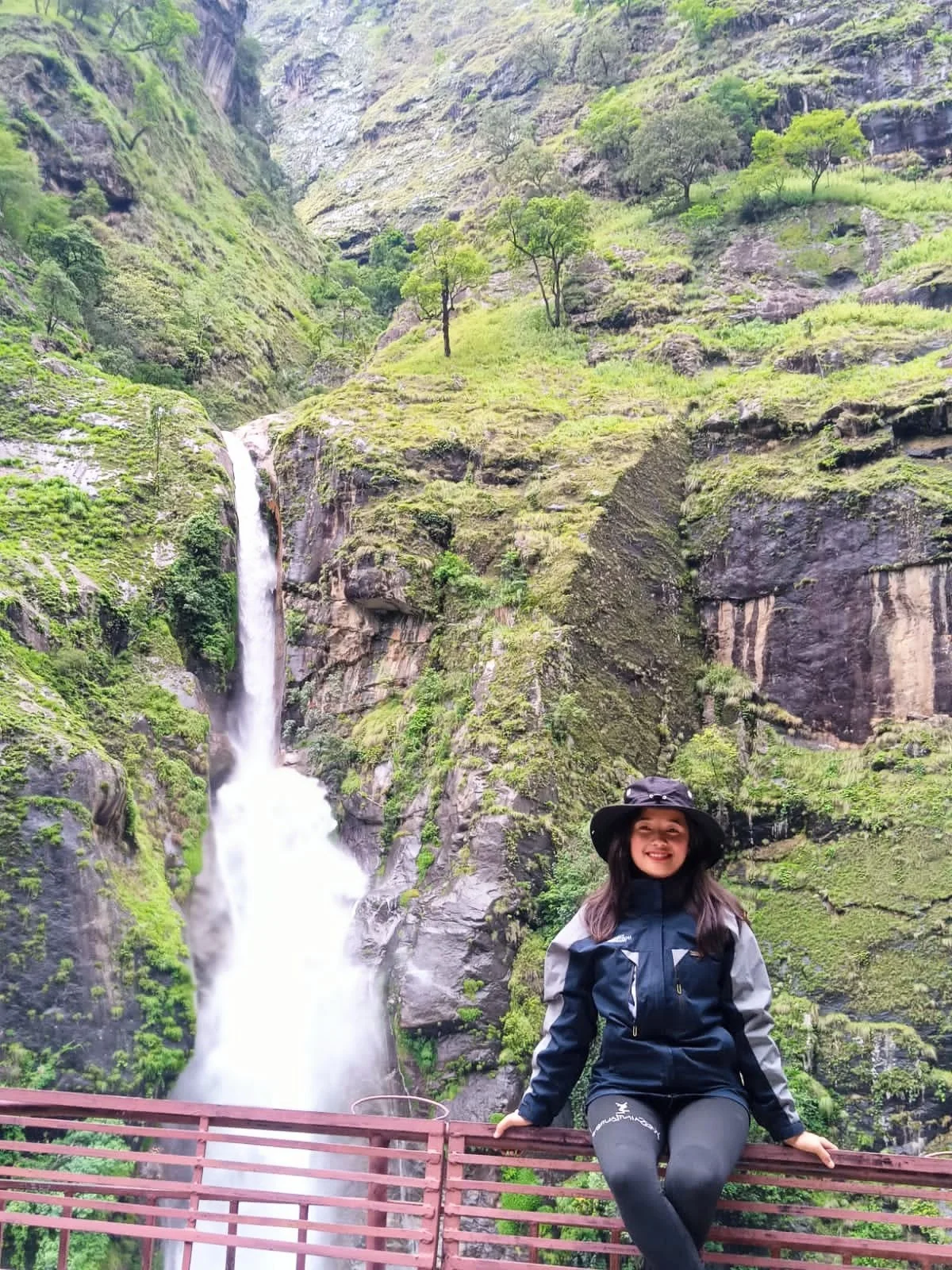
The surrounding terrain features steep green slopes, mountain streams, river crossings and traditional trekking paths.
Jorsalle's setting offers a distinctive introduction to the protected Himalayan environment of Sagarmatha National Park.
A Resting Point Before the Climb to Namche Bazaar
One of Jorsalle's most important roles is as a resting and refreshment stop before the climb towards Namche Bazaar.
Many trekkers pause here for lunch or a short break, depending on their departure time, walking pace and itinerary.
Beyond Jorsalle, the trail continues through the Dudh Koshi valley towards a series of suspension bridges and the famous uphill approach to Namche.
This next section can feel significantly more demanding as the route gains elevation.
Namche Bazaar, situated at approximately 3,440 metres, is the main destination for most trekkers completing this stage.
Taking an appropriate break at Jorsalle can help travellers prepare for the longer ascent ahead.
The Dudh Koshi River and Himalayan Landscape
The Dudh Koshi River is one of the defining natural features of the lower Everest trekking route.
Its powerful current flows through a steep mountain valley, creating a dramatic landscape of rushing water, boulders, forested slopes and suspension bridges.
Jorsalle lies close to this river environment.
The sound of the Dudh Koshi is a constant presence along much of the surrounding trail.
The river originates from the glacier-fed mountain systems of the Everest region and continues south through the wider Koshi river network.
For trekkers, following the Dudh Koshi provides a memorable sense of progression from the lower valleys towards the higher Himalayan settlements.
Hillary Suspension Bridge: A Famous Landmark Beyond Jorsalle
One of the most recognisable landmarks on the route from Jorsalle to Namche Bazaar is the Hillary Suspension Bridge.
The bridge crosses high above the Dudh Koshi river corridor and is frequently photographed by trekkers travelling towards Everest Base Camp.
Prayer flags flutter along the bridge, adding colour to the dramatic mountain landscape.
Crossing this section of the trail is a memorable experience, particularly for travellers visiting the Khumbu for the first time.
The bridge is not located within the centre of Jorsalle itself; it is encountered farther along the route towards Namche Bazaar.
After crossing the river, trekkers continue the demanding ascent through forested terrain towards Namche.
Entering the Heart of Sagarmatha National Park
Jorsalle is located within Sagarmatha National Park, a UNESCO World Heritage Site recognised for its extraordinary mountain landscapes and natural significance.
The park protects a remarkable environment extending from lower Himalayan valleys to some of the highest mountains on Earth.
Around Jorsalle, trekkers experience the greener, forested landscapes of the lower Khumbu.
These surroundings contrast with the increasingly open alpine terrain encountered farther along the Everest Base Camp route.
The region supports a range of Himalayan wildlife and vegetation, although sightings depend on location, season and chance.
Visitors should remain on established trails, avoid disturbing wildlife and follow park regulations.
Trekking Life in Jorsalle Village
Jorsalle is closely connected to the trekking routes that pass through the Dudh Koshi valley.
Small lodges and refreshment stops serve travellers making their way towards Namche Bazaar or returning towards Lukla.
The village is not a major commercial centre, but its position along the trail makes it a practical stop for trekking groups.
The atmosphere is shaped by passing trekkers, local hospitality and the surrounding river landscape.
Visitors may encounter porters carrying supplies, trekking guides accompanying groups and other travellers preparing for the ascent to Namche.
These everyday scenes reflect the important role of smaller settlements in supporting tourism throughout the Everest region.
Sherpa Heritage and the Lower Khumbu
Jorsalle lies within the wider cultural landscape of the Khumbu, where Sherpa communities have longstanding connections to the mountains, trade routes and Buddhist traditions.
The Everest trekking trail passes through settlements with distinctive local histories and cultural practices.
Prayer flags, mani stones and Buddhist monuments can be encountered along sections of the wider route.
Visitors should treat these cultural features respectfully.
Local guides can provide valuable insights into the region's history, traditions and changing mountain livelihoods.
Although Jorsalle is primarily known as a trail stop, it forms part of the broader human landscape that makes trekking in the Everest region meaningful.
Best Time to Visit Jorsalle Village
Jorsalle is visited throughout the year, although trekking conditions vary by season.
Spring: March to May
Spring is one of the main Everest trekking seasons.
The lower Khumbu often features green hillsides and flowering vegetation, while trekkers continue towards the higher Himalayan viewpoints and settlements.
Autumn: September to November
Autumn is another popular period for trekking in the Everest region.
The season often offers favourable walking conditions and opportunities for clear mountain views along the wider route.
Winter: December to February
Winter generally brings colder conditions, particularly at higher elevations.
The lower valleys around Jorsalle may remain accessible, although snow, ice and changing weather can affect the overall trek.
Monsoon: June to August
The monsoon brings wetter conditions, increased cloud cover and potentially slippery trails.
Trekkers should prepare for rain and reduced visibility.
Regardless of season, weather forecasts and local trail conditions should be checked before departure.
Jorsalle Village on the Everest Base Camp Trek
On a typical Everest Base Camp itinerary, trekkers begin the day in Phakding and travel towards Namche Bazaar.
The route passes through Monjo before continuing towards Jorsalle.
After a possible rest or lunch stop, the journey continues towards the Hillary Suspension Bridge and the uphill trail to Namche Bazaar.
Jorsalle therefore serves as an important place visited, rather than the standard overnight destination.
For Himalayan Trek Ventures, the village can be linked to the Phakding–Namche Bazaar itinerary day.
This allows travellers to discover the smaller settlements and natural landmarks that form part of the complete Everest Base Camp experience.
Jorsalle on the Gokyo Lakes and Three Passes Routes
Jorsalle is also encountered on many Gokyo Lakes and Everest Three Passes itineraries that begin with the classic Lukla–Phakding–Namche approach.
Although these journeys eventually separate into different high-altitude valleys and passes, they share the lower Khumbu trekking corridor.
Jorsalle therefore connects several of the Everest region's best-known trekking adventures.
Its inclusion in the Places CMS helps provide geographical context for travellers following these routes.
Why Jorsalle Village Matters
Jorsalle may not be as famous as Namche Bazaar, Tengboche or Everest Base Camp, but it plays a meaningful role in the trekking experience.
It marks a transition between the gentler riverside sections of the lower Khumbu and the more demanding climb towards Namche.
The village offers an opportunity to rest, appreciate the Dudh Koshi landscape and observe the everyday movement of people and supplies along the Himalayan trail.
For many trekkers, the journey beyond Jorsalle is one of the first physically demanding sections of the Everest Base Camp route.
That contrast makes the village a memorable stopping point.
Experience Jorsalle Village with Himalayan Trek Ventures
At Himalayan Trek Ventures, we believe the Everest trekking experience is shaped by more than its famous destinations.
The small settlements, river crossings, forest trails and local communities encountered along the way are equally important parts of the journey.
Jorsalle Village represents this quieter side of the Khumbu.
As trekkers pause beside the Dudh Koshi before continuing towards Namche Bazaar, they experience a landscape where the rhythm of the river, the movement of the trail and the anticipation of the mountains ahead come together.
Whether travelling towards Everest Base Camp, Gokyo Lakes or the Three Passes, Jorsalle is a meaningful stop on the journey into Nepal's extraordinary Everest region.