
Know before you go
About Dovan (Annapurna)
Dovan, Annapurna — A Hidden Mountain Retreat in the Modi Khola Valley
Deep within the forested slopes of the Annapurna Himalayas, Dovan is a secluded trekking settlement along Nepal's celebrated Annapurna Base Camp Trek. Also known as Dobhan, the settlement is commonly listed at approximately 2,600 metres in trekking itineraries and lies between Bamboo and Himalaya within the Annapurna Conservation Area.
Surrounded by dense woodland, cascading mountain streams and steep valley slopes, Dovan offers an intimate encounter with the natural landscapes of the southern Annapurna region.
Unlike the traditional agricultural villages of Ghandruk and Chhomrong, Dovan is primarily a mountain accommodation settlement serving trekkers travelling towards Annapurna Sanctuary.
Its peaceful atmosphere, modest trekking lodges and increasingly remote geographical setting make it a distinctive chapter in the journey towards Annapurna Base Camp.
Where Is Dovan in Nepal?
Dovan is located in Kaski District, Gandaki Province, within the upper Modi Khola Valley of the Annapurna Conservation Area.
The settlement occupies an important position along the established trekking corridor connecting the southern Annapurna foothills with Annapurna Sanctuary.
Its nearest established trekking destinations include:
Bamboo towards the south.
Himalaya towards the north.
Deurali farther along the upper valley.
Machhapuchhre Base Camp within the higher mountain landscape.
Annapurna Base Camp at approximately 4,130 metres.
Dovan is accessible on foot and has no direct motorable road connection.
Its geographical isolation contributes to its peaceful character while creating practical challenges for accommodation operations and the transportation of essential supplies.
Dovan Altitude and Geographical Setting
Dovan is commonly recorded at approximately 2,600 metres above sea level in Annapurna Base Camp trekking itineraries.
However, published elevations vary according to the particular accommodation cluster and geographical reference point, with lower sections of Dovan situated closer to 2,500 metres.
The settlement lies within a steep-sided mountain valley characterised by dense vegetation, rocky slopes and numerous natural watercourses.
At this elevation, trekkers begin to experience noticeably cooler mountain conditions while remaining within the forested ecological zone of the Annapurna region.
Dovan represents an important transitional destination before the increasingly exposed landscapes encountered around Deurali and Machhapuchhre Base Camp.
The Meaning Behind the Name Dovan
The name Dovan, also written as Dobhan or Dobhan, is associated with the Nepali word describing a place where two watercourses meet.
This geographical terminology is commonly used throughout Nepal for settlements and locations situated near river or stream confluences.
The name reflects the importance of water within the surrounding mountain landscape.
Around Dovan, flowing streams, seasonal waterfalls and the wider Modi Khola river system contribute to the settlement's distinctive natural character.
Travellers should distinguish Dovan in the Annapurna region from other Nepalese settlements sharing similar names.
The Journey from Bamboo to Dovan
The trekking route from Bamboo to Dovan follows the increasingly secluded upper Modi Khola Valley.
Leaving Bamboo's dense vegetation behind, trekkers continue through shaded woodland, gradually ascending along uneven mountain pathways.
The surrounding landscape features bamboo groves, rhododendron trees, moss-covered rocks and small mountain streams.
The sound of flowing water accompanies sections of the journey, while steep valley walls create an increasingly enclosed Himalayan environment.
The walking journey generally takes approximately one to two hours, depending on individual pace, weather and trail conditions.
Although relatively short compared with other stages of the Annapurna Base Camp Trek, the route provides a rewarding introduction to the more remote landscapes of the upper valley.
Dovan and the Modi Khola River
The Modi Khola is one of the defining geographical features of the Annapurna Base Camp trekking corridor.
Originating within the high mountain and glacial landscapes of Annapurna Sanctuary, the river flows southwards through steep Himalayan valleys before joining the Kali Gandaki river system.
The surrounding valley provides a natural geographical connection between the high Annapurna massif and the agricultural communities of the lower foothills.
Around Dovan, the river system contributes to a humid forest environment characterised by flowing streams, seasonal waterfalls and abundant vegetation.
The trekking trail does not always follow the immediate riverbank, but the wider river valley remains a constant geographical presence throughout the journey.
For travellers interested in Himalayan geography, Dovan provides an opportunity to appreciate how mountain waterways shape the surrounding landscape.
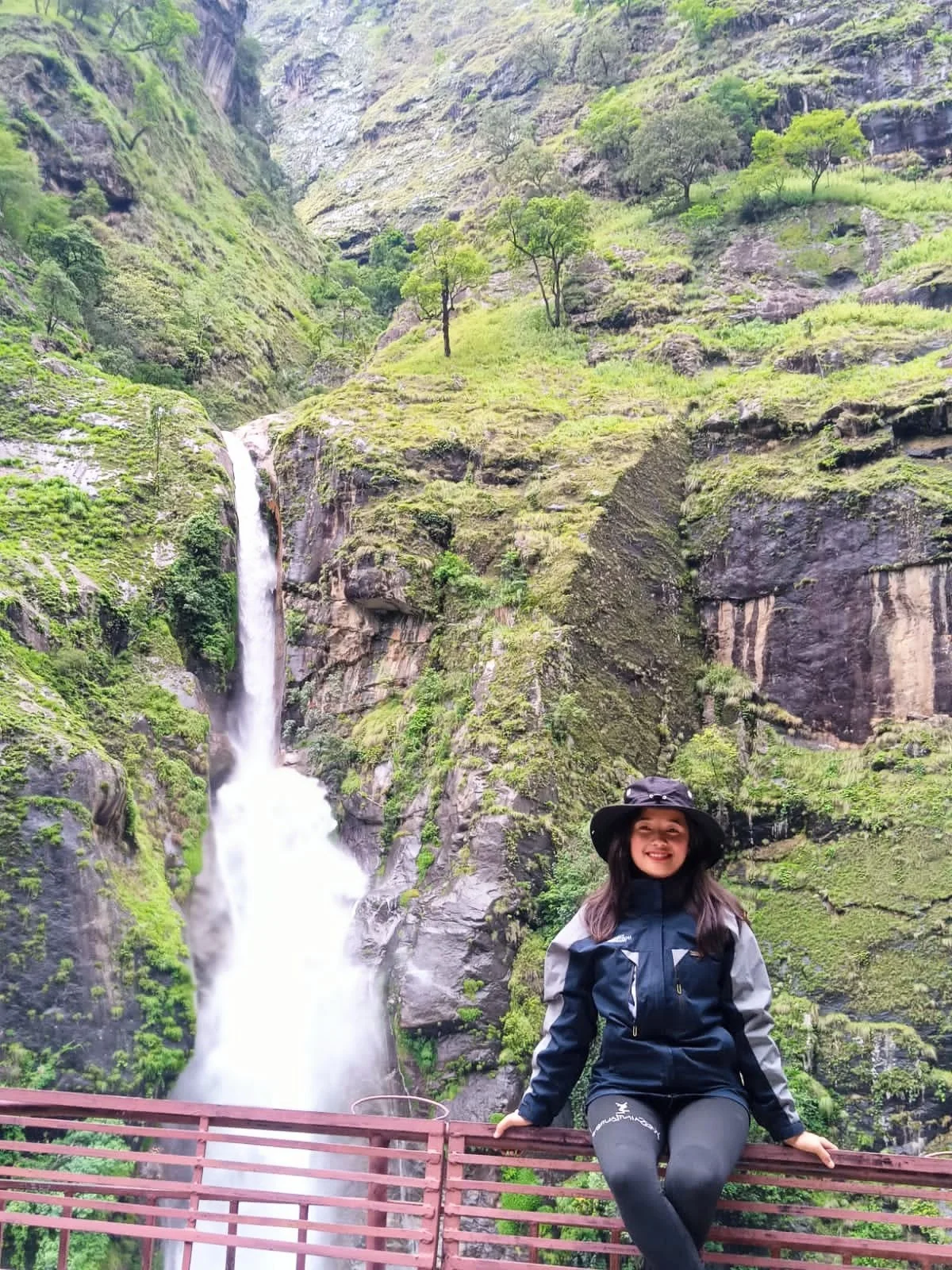
Waterfalls and Mountain Streams Around Dovan
The forested corridor between Bamboo, Dovan and Himalaya contains numerous natural streams and seasonal waterfalls.
Water descending from steep mountainsides creates distinctive features along the trekking route, particularly during periods of rainfall and seasonal snowmelt.
The combination of flowing water, dense vegetation and rocky valley slopes contributes to Dovan's atmospheric natural scenery.
During the monsoon, waterfalls can become particularly impressive, although increased rainfall also creates additional trekking hazards.
Travellers should observe waterfalls and streams from established pathways and avoid approaching unstable riverbanks or slippery rocks.
These natural water features are an important part of Dovan's identity and the wider ecological character of the Modi Khola Valley.
The Forests Surrounding Dovan
Dovan lies within the temperate woodland environment of the southern Annapurna region.
Its surrounding forests contain diverse vegetation adapted to mountain elevations, seasonal rainfall and shaded valley conditions.
Common vegetation within the wider trekking corridor includes:
Himalayan bamboo.
Rhododendron trees.
Mixed broadleaf woodland.
Ferns and mosses.
Mountain shrubs.
Seasonal flowering plants.
Moisture-loving vegetation along natural streams.
The forest canopy creates shaded walking conditions and contributes to the settlement's secluded atmosphere.
During spring, flowering rhododendrons introduce vibrant colours to sections of the trekking route.
During the monsoon, dense green foliage and flowing mountain streams transform the valley into an exceptionally lush Himalayan landscape.
Himalayan Biodiversity Around Dovan
The forests surrounding Dovan form part of the Annapurna Conservation Area's diverse ecological system.
The wider conservation area supports numerous species of plants, birds, mammals and insects across a remarkable range of elevations.
Within the forested trekking corridor, visitors may encounter woodland birds, butterflies and other small wildlife.
The wider Annapurna region also provides habitat for Himalayan langurs, barking deer and other forest-dwelling mammals, although individual sightings are unpredictable.
The natural appeal of Dovan lies in the richness of its ecosystem rather than guaranteed encounters with particular wildlife species.
Travellers interested in nature observation should maintain quiet behaviour, remain on designated trails and avoid disturbing animals or collecting vegetation.
Dovan on the Annapurna Base Camp Trek
Dovan is an established intermediate destination along the classic Annapurna Base Camp trekking route.
A traditional itinerary approaching Annapurna Sanctuary may follow:
Pokhara – Ghandruk – Chhomrong – Sinuwa – Bamboo – Dovan – Himalaya – Deurali – Machhapuchhre Base Camp – Annapurna Base Camp.
Depending on the itinerary, Dovan may serve as an overnight accommodation destination, a lunch stop or a resting point during the ascent towards Deurali.
Its location between Bamboo and Himalaya provides flexibility when planning trekking stages according to physical fitness, accommodation availability and elevation gain.
Travellers returning from Annapurna Base Camp may also pass through Dovan before continuing towards Bamboo, Sinuwa or Chhomrong.
The settlement is particularly valuable for itineraries that prioritise manageable walking distances and gradual progression towards higher elevations.
Lower Dovan and Upper Dovan
Different trekking maps and itineraries may distinguish between lower and upper accommodation locations around Dovan.
These references generally relate to small clusters of trekking lodges positioned at different elevations along the same mountain corridor.
This geographical distinction helps explain why published elevations for Dovan are not always identical.
When arranging accommodation or calculating walking distances, travellers should confirm the location of their intended lodge.
Both locations form part of the established Annapurna Base Camp trekking corridor and provide access towards Himalaya and the higher Modi Khola Valley.
Trekking from Dovan to Himalaya
The onward journey from Dovan to Himalaya introduces travellers to an increasingly remote mountain environment.
The trail gradually ascends through woodland and rocky mountain terrain, following the natural contours of the upper Modi Khola Valley.
Himalaya, commonly listed at approximately 2,900 metres, provides another established accommodation stop before the route continues towards Hinku Cave and Deurali.
As trekkers gain elevation, temperatures generally become cooler and the character of the surrounding vegetation begins to change.
The valley becomes increasingly dramatic, with steep mountainsides and rocky landscapes becoming more prominent.
This section of the trek provides a gradual introduction to the higher mountain environments encountered within Annapurna Sanctuary.
Hinku Cave and the Onward Journey
Beyond Himalaya, the established trekking route passes the area around Hinku Cave before reaching Deurali.
Hinku Cave is a natural rock overhang along the mountain pathway and represents a distinctive geographical feature of the Annapurna Base Camp Trek.
The surrounding terrain marks a transition towards more exposed mountain landscapes.
Trekkers continuing through this section should remain aware of seasonal trail hazards, including falling rocks, snowfall and avalanche risks farther along the upper valley.
Dovan provides an opportunity to rest and prepare before entering these increasingly demanding trekking environments.
Dovan as an Overnight Trekking Destination
Dovan's intermediate elevation makes it a practical overnight destination for trekkers who prefer shorter walking stages.
Compared with Bamboo, Dovan provides a higher starting point for the following day's journey towards Himalaya or Deurali.
Compared with higher accommodation destinations, it allows travellers to divide the ascent into more gradual stages.
An overnight stay can be particularly useful for trekkers who require additional physical recovery or wish to avoid unnecessarily demanding walking distances.
However, Dovan should not be regarded as a substitute for appropriate acclimatisation planning at higher elevations.
The complete trekking itinerary should consider sleeping altitude, individual physical condition and the rate of ascent towards Annapurna Base Camp.
Accommodation in Dovan
Accommodation in Dovan consists primarily of modest mountain teahouses and trekking lodges.
These establishments provide essential hospitality services within a remote geographical environment.
Typical accommodation facilities may include basic twin-sharing bedrooms, communal dining areas, blankets and shared bathroom facilities.
Additional services, such as hot showers, electrical charging and Wi-Fi, depend on individual lodge arrangements.
The absence of direct road access influences accommodation standards and the availability of supplies.
Food, equipment and other essential goods must be transported along mountain pathways.
Travellers should approach accommodation in Dovan with realistic expectations and appreciate the considerable effort involved in maintaining hospitality services within the upper Modi Khola Valley.
Traditional Mountain Teahouse Experiences
Staying in Dovan offers an opportunity to experience the simplicity of traditional Himalayan teahouse trekking.
After a day of walking through dense forests and steep mountain terrain, the communal dining room becomes a welcoming place to rest, enjoy warm meals and interact with fellow travellers.
Conversations between trekking groups, guides and hospitality workers contribute to the social character of mountain accommodation.
Rather than offering elaborate entertainment or luxury facilities, Dovan's appeal lies in its quiet natural setting and practical mountain hospitality.
The experience reflects the distinctive rhythm of trekking life, where walking, resting and preparing for the following day's journey become central elements of the adventure.
Food and Traditional Nepalese Cuisine
Mountain lodges in Dovan generally serve traditional Nepalese meals alongside familiar international trekking dishes.
Dal bhat remains one of the most widely available meals, typically consisting of rice, lentil soup, vegetables and pickles.
Other menu options may include vegetable noodles, fried rice, potatoes, soups, momo dumplings, porridge and Tibetan-style bread.
Food availability varies according to seasonal supplies and individual lodge operations.
Vegetarian meals are particularly practical along the upper Annapurna trekking corridor.
Travellers should also respect local guidance regarding traditional food customs associated with the sacred landscape of Annapurna Sanctuary.
A nourishing meal in Dovan provides essential energy for the continued ascent towards higher mountain destinations.
Cultural Connections with the Annapurna Region
Although Dovan is primarily a trekking accommodation settlement, it remains connected to the wider cultural landscape of the southern Annapurna region.
Gurung communities in neighbouring areas have longstanding relationships with mountain agriculture, forest resources and tourism-related livelihoods.
Traditional settlements such as Ghandruk and Chhomrong remain important centres of Gurung cultural heritage.
The development of trekking accommodation along the Annapurna Base Camp route has created economic opportunities for people from surrounding communities.
Mountain lodge operations, trekking services and supply transportation contribute to the regional tourism economy.
Dovan therefore represents a practical expression of the relationship between Himalayan communities and the development of mountain tourism.
The Sacred Landscape of Annapurna Sanctuary
Dovan lies along the approach to Annapurna Sanctuary, a high mountain basin surrounded by some of Nepal's most celebrated Himalayan peaks.
The sanctuary holds considerable spiritual significance within the religious and cultural traditions of surrounding communities.
Annapurna is associated with the Hindu goddess of nourishment and abundance, while Machhapuchhre is widely regarded as a sacred mountain associated with Lord Shiva.
The surrounding forests, rivers and mountains contribute to a landscape that carries cultural meaning beyond its recreational appeal.
Travellers passing through Dovan are encouraged to recognise these spiritual connections and respect local customs throughout their journey.
Seasonal Experiences in Dovan
Spring — March to May
Spring brings gradually warming temperatures and renewed vegetation throughout the Annapurna trekking corridor.
Flowering rhododendrons create colourful scenery along sections of the surrounding woodland.
Mountain streams remain active, while generally comfortable walking conditions make spring an attractive period for visiting Dovan.
Afternoon rainfall and thunderstorms remain possible.
Autumn — September to November
Autumn is among the most popular seasons for trekking towards Annapurna Base Camp.
October and November generally provide favourable walking conditions following the main monsoon season.
Reduced rainfall can improve trail accessibility, although shaded woodland pathways may remain damp.
Accommodation demand may increase considerably during this period.
Winter — December to February
Winter brings colder temperatures, shorter daylight hours and occasional frost.
Dovan's enclosed valley setting and dense woodland can limit direct sunlight, making mornings and evenings particularly chilly.
Although the settlement may remain accessible during winter, higher sections of Annapurna Sanctuary can experience snowfall and avalanche hazards.
Current trail conditions should determine whether onward trekking is appropriate.
Monsoon — June to September
The monsoon transforms Dovan into a lush and humid mountain environment.
Waterfalls become more active, streams increase in volume and the surrounding forests develop exceptionally rich green vegetation.
However, heavy rainfall can create slippery pathways, landslides, falling rocks and leech activity.
Travellers undertaking monsoon trekking require suitable waterproof equipment, flexible itineraries and reliable local guidance.
Photography Opportunities in Dovan
Dovan offers a distinctive photographic experience focused on Himalayan woodland, natural water features and enclosed mountain landscapes.
Unlike panoramic viewpoints such as Poon Hill or Annapurna Base Camp, its photographic appeal lies in smaller environmental details and atmospheric compositions.
Recommended photographic subjects include:
Cascading mountain streams and seasonal waterfalls.
Dense bamboo and rhododendron woodland.
Moss-covered rocks and shaded trekking pathways.
Mist drifting through the Modi Khola Valley.
Mountain lodges surrounded by forest.
Spring rhododendron blossoms.
Native woodland birds and butterflies.
Sunlight filtering through the forest canopy.
Steep valley walls and rocky mountainsides.
Overcast conditions can create particularly atmospheric woodland photographs, provided weather and trail conditions remain safe.
Trekking Difficulty Around Dovan
Dovan is generally considered a moderate trekking destination within the Annapurna Base Camp corridor.
The surrounding pathways include gradual ascents, uneven rocky surfaces, stone stairways and exposed tree roots.
Although the journey from Bamboo is relatively short, trekkers should consider the cumulative physical demands of reaching Dovan from lower settlements.
Wet forest conditions can make pathways slippery, particularly during rainfall.
Appropriate trekking footwear, adjustable trekking poles and a comfortable walking pace can help travellers manage the terrain.
As the route continues towards Himalaya and Deurali, increasing elevation becomes an additional consideration.
Altitude Transition Towards Annapurna Sanctuary
Dovan represents an important geographical stage in the transition from lower Himalayan forests to the higher mountain landscapes of Annapurna Sanctuary.
At approximately 2,500–2,600 metres, the settlement remains below the highest elevations encountered during the Annapurna Base Camp Trek.
However, the onward journey leads towards destinations situated above 3,000 metres, where appropriate acclimatisation becomes increasingly important.
Travellers should avoid unnecessarily rapid increases in sleeping elevation and remain attentive to symptoms of altitude illness.
The opportunity to stay overnight in Dovan can support a more gradual trekking itinerary, depending on previous walking stages and individual acclimatisation.
Dovan Within the Annapurna Conservation Area
Dovan lies within the Annapurna Conservation Area, Nepal's largest conservation area, covering approximately 7,629 square kilometres.
The protected landscape encompasses a remarkable range of ecosystems, from subtropical forests and agricultural valleys to alpine meadows, glaciers and some of the world's highest mountains.
The forested Modi Khola Valley contributes to this ecological diversity through its mountain waterways, woodland habitats and varied vegetation.
Conservation management throughout the region emphasises biodiversity protection, community participation and sustainable tourism.
Visitors to Dovan can contribute to these objectives by remaining on designated trekking trails, reducing unnecessary waste and respecting the surrounding natural environment.
Responsible Trekking in Dovan
Dovan's secluded location and limited infrastructure make responsible travel particularly important.
The surrounding forests and natural waterways are sensitive to increasing tourism activity and inappropriate waste disposal.
Travellers should carry reusable drinking water bottles, minimise disposable plastic and conserve water and electricity within accommodation establishments.
Avoid collecting plants, damaging bamboo vegetation or disturbing wildlife.
Natural streams should remain free from rubbish, detergents and other contaminants.
Supporting locally operated accommodation establishments and respecting the professional contribution of guides, porters and hospitality workers also helps sustain responsible mountain tourism.
Why Visit Dovan?
Dovan provides a distinctive opportunity to experience the quieter and more secluded landscapes of the Annapurna region.
Its appeal lies in the combination of dense Himalayan forests, flowing mountain streams, traditional teahouse accommodation and increasingly dramatic valley scenery.
For Annapurna Base Camp trekkers, it provides a flexible intermediate destination before continuing towards Himalaya and Deurali.
For nature enthusiasts, it offers opportunities to appreciate woodland biodiversity and the ecological richness of the Modi Khola Valley.
For photographers, it provides atmospheric forest compositions and intimate mountain landscapes.
Dovan reminds travellers that the beauty of the Annapurna Himalayas extends beyond snow-covered summits to the forests, rivers and living ecosystems that surround them.
Discover Dovan with Himalayan Trek Ventures
The journey towards Annapurna Base Camp unfolds through a remarkable sequence of changing landscapes, from traditional Gurung villages and agricultural terraces to dense woodland, rocky mountain valleys and high-altitude glacial environments.
Dovan represents a quiet but meaningful stage within this transformation.
At Himalayan Trek Ventures, we encourage travellers to appreciate each destination along the trekking route rather than focusing exclusively on reaching base camp.
Whether experienced as a peaceful overnight retreat, a refreshing lunch stop or a welcome resting point during the descent from Annapurna Sanctuary, Dovan offers a memorable encounter with the natural character of the upper Modi Khola Valley.
Its cascading streams, secluded mountain lodges and surrounding Himalayan forests reveal a quieter side of Annapurna — one defined by natural rhythms, thoughtful exploration and the rewarding simplicity of mountain travel.