
Know before you go
About Phurte Village
Phurte Village: A Quiet Sherpa Settlement on the Trail to Thame
Phurte Village is a small Sherpa settlement in Nepal's Everest region, situated along the trekking route west of Namche Bazaar towards Thamo and Thame. Often overlooked by travellers following the popular Everest Base Camp trail, Phurte offers a quieter glimpse into the mountain communities, Buddhist traditions and landscapes of western Khumbu.
The village lies within the wider Sagarmatha National Park area, where traditional settlements are connected by walking trails rather than motorable roads. Stone houses, cultivated terraces and prayer monuments reflect the close relationship between local communities and their mountain environment.
Phurte is commonly associated with an elevation of approximately 3,390 metres (11,122 feet), although published geographical records give different figures. Its position along the route towards the Bhote Koshi valley makes it a useful landmark for trekkers exploring the less crowded western side of the Everest region.
The Trek from Namche Bazaar to Phurte
The journey to Phurte begins in Namche Bazaar, the main commercial and trekking centre of Khumbu. While most Everest Base Camp trekkers leave Namche towards Kyangjuma and Tengboche, the western trail follows a different direction towards Thamo and Thame.
Leaving Namche, trekkers gradually move away from its busy shops, lodges and narrow streets. The route passes through mountain slopes and smaller residential areas, where the landscape becomes more peaceful.
Phurte is one of the early settlements along this trail. The walking route includes a mixture of gradual climbs, descents and uneven stone paths, with views of the surrounding hillsides and valleys.
The journey is particularly interesting for travellers who want to explore beyond the standard Everest Base Camp itinerary without immediately entering the more remote high-altitude sections of Khumbu.
Depending on weather and visibility, sections of the western trail offer views towards the rugged Kongde mountain massif and surrounding Himalayan ridges.
Traditional Sherpa Life in Phurte
Phurte belongs to the wider Sherpa cultural landscape of the Everest region. Sherpa communities have lived in Khumbu for generations, developing livelihoods suited to the region's steep terrain, cold climate and limited agricultural growing season.
Traditional stone-built houses and small cultivated areas reflect the importance of household farming and livestock keeping in the wider valley.
Potatoes and other hardy crops have historically been important in Khumbu, while yaks and yak-cattle hybrids have supported transport and mountain livelihoods.
Today, trekking tourism also contributes to the regional economy, although the level of tourism-related services varies between settlements.
Unlike Namche Bazaar, Phurte is not a major commercial centre. Visitors should approach it as a residential mountain community rather than expecting a large selection of shops, restaurants or accommodation.
The village's quieter setting offers an opportunity to appreciate everyday life in western Khumbu, where local paths connect homes, agricultural land and neighbouring settlements.
Buddhist Heritage Along the Trail
Tibetan Buddhism plays an important role in the cultural identity of Sherpa communities throughout Khumbu.
Along the route between Namche Bazaar and Thame, trekkers may encounter prayer flags, mani stones and other Buddhist monuments. These religious features are reminders that the mountain trails serve both local communities and visiting travellers.
When passing mani walls or chortens, visitors should follow the local custom of walking clockwise, keeping the sacred structure on their right.
The wider route also connects with important Buddhist institutions, including Thamo Nunnery and the monastery at Thame.
Phurte therefore forms part of a culturally significant trekking corridor where religious traditions remain closely connected with village life.
Mountain Landscapes and the Bhote Koshi Valley
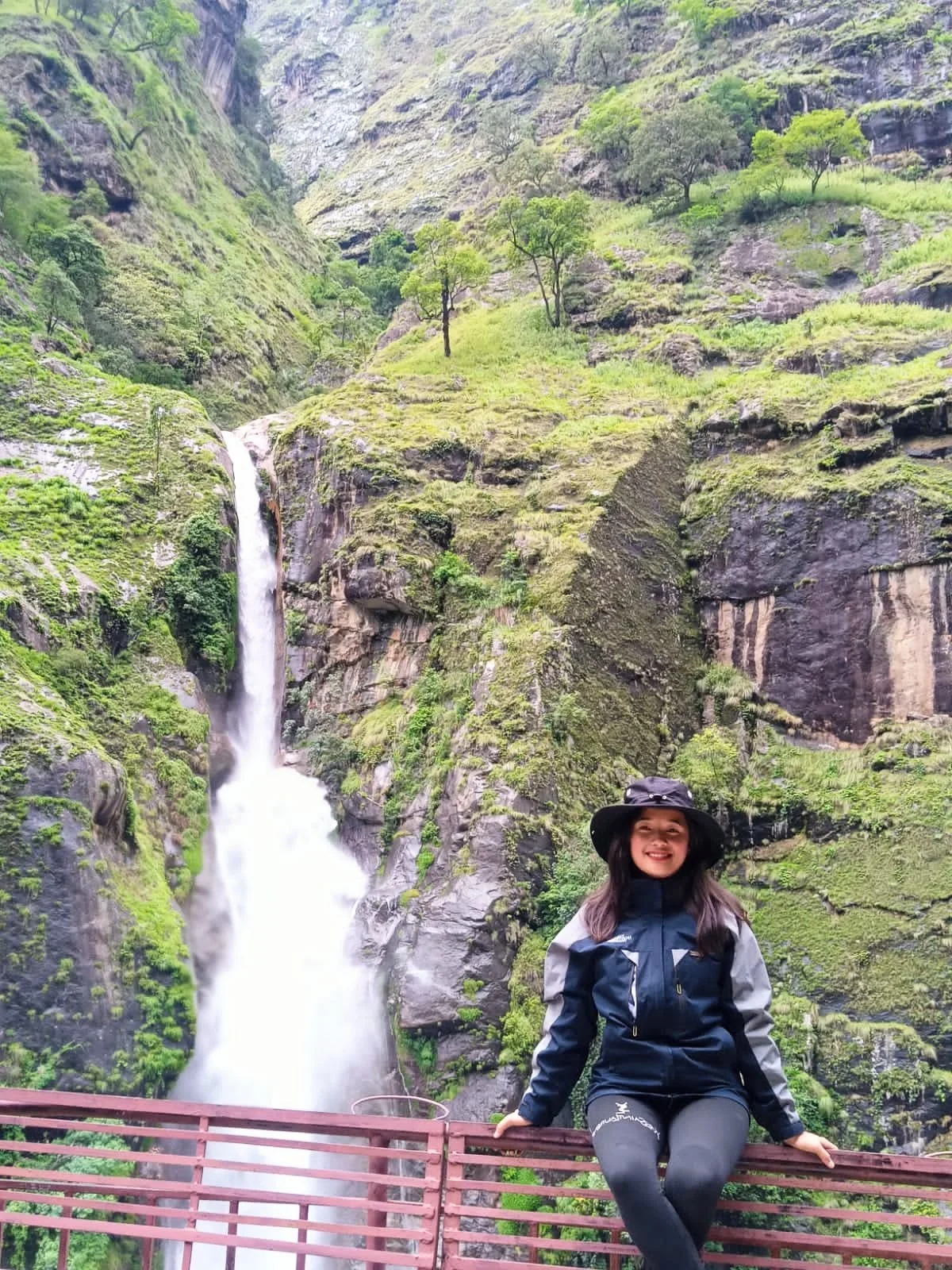
The western trekking route from Namche Bazaar gradually leads towards the Bhote Koshi valley, an important geographical and historical corridor in the Everest region.
Around Phurte, the landscape includes mountain slopes, sections of vegetation, cultivated land and traditional settlement areas.
The scenery changes as trekkers continue towards Thamo and Thame. Lower and more sheltered sections give way to increasingly open and rugged terrain farther up the valley.
During spring, suitable forested sections of the wider trail may feature flowering rhododendrons. Autumn often brings clearer mountain visibility, while winter can leave shaded paths icy.
The changing environment makes this route appealing to trekkers who enjoy observing the transition between inhabited valleys and the higher Himalayan landscape.
Phurte on the Historic Route Towards Thame
The trekking trail through Phurte continues towards Thamo Village and Thame Village, eventually connecting with the upper Bhote Koshi valley.
Historically, the wider Thame valley formed part of a trade corridor linking Khumbu with Tibet through Nangpa La Pass.
Merchants and local communities travelled through this mountainous region, transporting goods and maintaining cultural relationships across the Himalayas.
Phurte lies along the lower approach to this historic corridor. Although it should not be described as a major trading centre without specific historical evidence, its location connects it to the wider network of routes used by mountain communities.
For travellers interested in Himalayan history, walking through Phurte provides geographical context for the more remote settlements farther up the valley.
Phurte and the Everest Three Passes Trek
Phurte is relevant to trekking itineraries that include the western side of the Everest Three Passes Trek.
A typical route through this valley connects:
Namche Bazaar → Phurte → Thamo → Thame → Marulung → Lungden → Renjo La Pass → Gokyo
Trekkers may travel in either direction, depending on their itinerary and acclimatisation plan.
Those heading towards Renjo La Pass eventually enter much higher terrain, where cold temperatures, steep trails and altitude become increasingly important considerations.
Phurte itself is not a high mountain pass or major trekking destination. Its importance lies in connecting Namche Bazaar with the settlements and cultural landscapes of western Khumbu.
The village can also be included in a shorter walk from Namche Bazaar towards Thamo, allowing visitors to explore a different part of the Everest region without committing to the full Three Passes route.
Why Visit Phurte Village?
Phurte is best suited to travellers who appreciate quiet mountain trails, traditional settlements and cultural exploration.
It offers an alternative perspective on the Everest region, where the journey is not centred entirely on famous summits or popular viewpoints.
Visitors can observe the landscape around a small Sherpa settlement, learn about the wider region's Buddhist heritage and experience the less commercial trekking route towards Thame.
For photographers, the surrounding stone houses, mountain slopes and walking trails provide opportunities to capture the character of western Khumbu, provided residents' privacy is respected.
For trekkers, Phurte is a natural stop along the journey from Namche Bazaar to Thamo and Thame.
Explore Phurte with Himalayan Trek Ventures
At Himalayan Trek Ventures, we believe the Everest region deserves to be explored beyond its most famous destinations.
Phurte Village introduces travellers to the quieter side of Khumbu, where traditional mountain settlements and Buddhist heritage form an important part of the trekking experience.
Whether you are following the historic route towards Thame, planning an Everest Three Passes adventure or exploring the villages west of Namche Bazaar, Phurte offers a meaningful connection to the landscape and communities of the Himalayas.
Phurte Village may be small, but its location along the Namche–Thame trail makes it a worthwhile part of a culturally focused Everest trekking journey.